GPU vs TPU vs Ascend: Choosing the Best AI Compute

Learn how GPUs, TPUs, and Ascend NPUs differ for AI training and inference so you can cut costs, speed up models, and pick the right hardware stack.

By KryptoMindz Technologies 12 min read
Your AI Model Isn’t Slow—Your Hardware Is - Kryptomindz Blog
Figure 1: Your AI Model Isn’t Slow—Your Hardware Is

Your AI Model Isn’t Slow—Your Hardware Is

Is your hardware secretly choking your AI models before they ever reach real potential?
Key Takeaways

  • Is your hardware secretly choking your AI models before they ever reach real potential?
Why Deep Learning Punishes the Wrong Hardware - Kryptomindz Blog
Figure 2: Why Deep Learning Punishes the Wrong Hardware

Why Deep Learning Punishes the Wrong Hardware

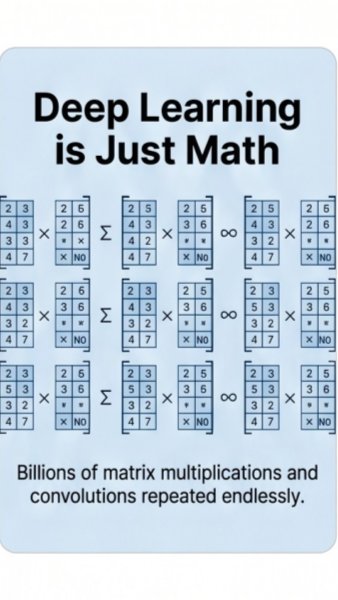
Deep learning isn’t magic, it’s brutal math. Billions of matrix multiplications hammer your hardware. If the wrong chip handles them, your training crawls instead of flies.
Key Takeaways

  • Deep learning isn’t magic, it’s brutal math.
  • Billions of matrix multiplications hammer your hardware.
The CPU vs Accelerator Gap: Where Performance Really Disappears - Kryptomindz Blog
Figure 3: The CPU vs Accelerator Gap: Where Performance Really Disappears

The CPU vs Accelerator Gap: Where Performance Really Disappears

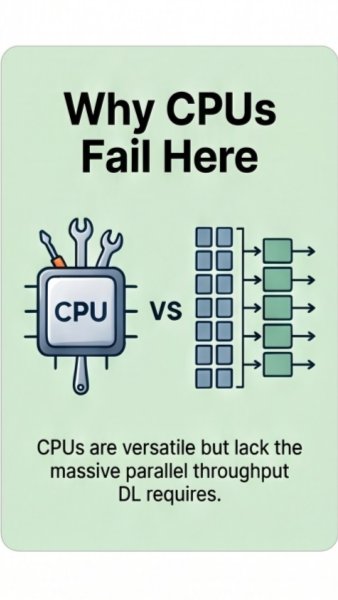
CPUs are amazing generalists, but deep learning demands massive parallel matrix crunching. When you scale models, that mismatch quietly burns time, money, and opportunity.
Key Takeaways

  • CPUs are amazing generalists, but deep learning demands massive parallel matrix crunching.
  • When you scale models, that mismatch quietly burns time, money, and opportunity.
Inside the Chips: How GPUs, TPUs, and Ascend NPUs Actually Work - Kryptomindz Blog
Figure 4: Inside the Chips: How GPUs, TPUs, and Ascend NPUs Actually Work

Inside the Chips: How GPUs, TPUs, and Ascend NPUs Actually Work

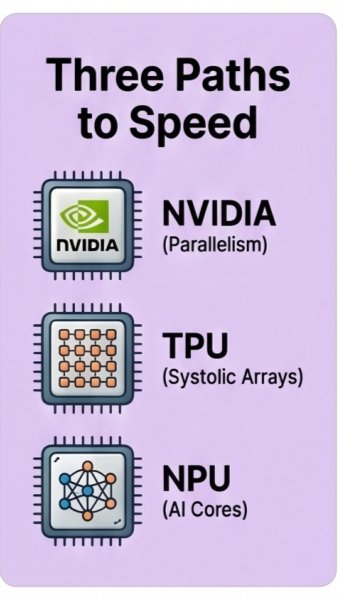
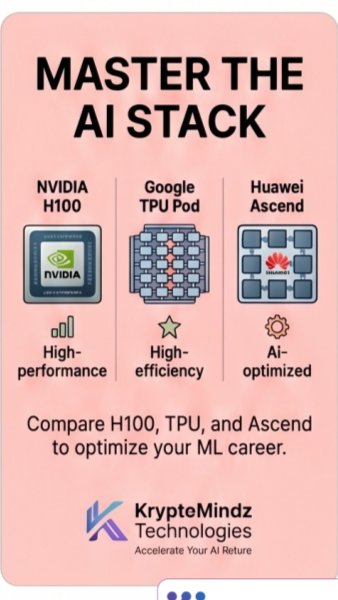
GPUs win with thousands of parallel cores, TPUs use systolic arrays tuned for tensors, and NPUs pack AI-specific cores optimized for efficient matrix pipelines.
Key Takeaways

  • GPUs win with thousands of parallel cores, TPUs use systolic arrays tuned for tensors, and NPUs pack AI-specific cores optimized for efficient matrix pipelines.
Training vs Inference: Matching Workloads to the Right Chip - Kryptomindz Blog
Figure 5: Training vs Inference: Matching Workloads to the Right Chip

Training vs Inference: Matching Workloads to the Right Chip

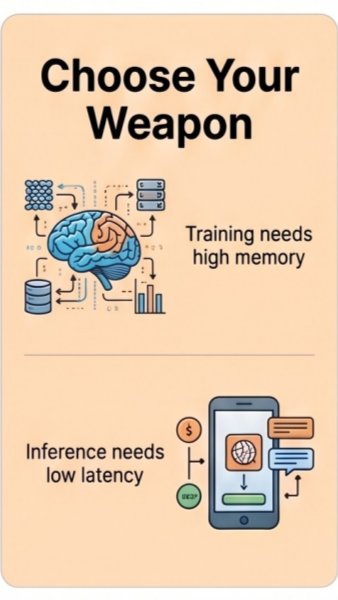
Use memory-heavy GPU or TPU setups for huge training runs. For real-time inference on phones or edge devices, lean on NPUs built for ultra-low latency responses.
Key Takeaways

  • Use memory-heavy GPU or TPU setups for huge training runs.
  • For real-time inference on phones or edge devices, lean on NPUs built for ultra-low latency responses.
Conclusion: Turn Compute Choices into a Competitive Edge - Kryptomindz Blog
Figure 6: Conclusion: Turn Compute Choices into a Competitive Edge

Conclusion: Turn Compute Choices into a Competitive Edge

Mastering GPU, TPU, and Ascend choices turns hardware from bottleneck into unfair advantage. Which stack powers your next AI build?

Key Takeaways

  • Mastering GPU, TPU, and Ascend choices turns hardware from bottleneck into unfair advantage.
  • Which stack powers your next AI build?

Ready to Explore More?

Discover more insights and resources on our platform.

Visit Kryptomindz