From Complexity to Clarity: Your eIDAS 2.0 Strategic Roadmap
This video walks through a strategic roadmap for eIDAS 2.0 and the new European Digital Identity Wallet. You’ll learn what’s changing, why timelines matter, how
This video walks through a strategic roadmap for eIDAS 2.0 and the new European Digital Identity Wallet. You’ll learn what’s changing, why timelines matter, how
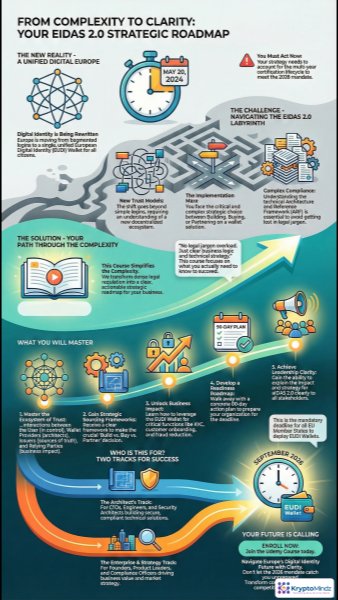
This section turns the complexity of eIDAS 2.0 and the European Digital Identity Wallet into a clear strategic roadmap. Instead of treating the regulation as a dense legal requirement, it explains what is changing, why the implementation timeline matters, and how organizations can prepare with confidence. You will see how architectural decisions, compliance obligations, vendor selection, and internal planning all connect. For example, a bank, healthcare provider, or public-sector platform can use this roadmap to identify where digital identity, authentication, and trusted attribute sharing will affect existing customer journeys. The goal is to help teams move from uncertainty to practical next steps.
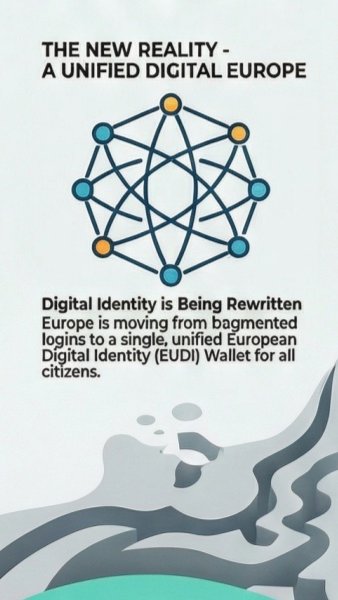
Europe is moving toward a more unified digital identity ecosystem where citizens can use a trusted European Digital Identity Wallet across countries, sectors, and services. Instead of managing separate usernames, passwords, and identity checks for every platform, users will be able to authenticate, sign documents, and share verified information from one secure wallet. This has major implications for banks, telecom providers, universities, public services, and online marketplaces that need reliable identity verification. A student could prove their qualifications abroad, a customer could complete KYC faster, and a citizen could access government services without repeating the same identity process. For organizations, this shift creates a chance to reduce friction while improving trust and regulatory alignment.
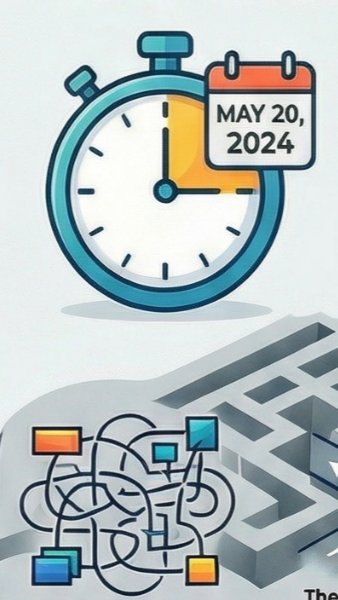
eIDAS 2.0 introduces firm deadlines that make early preparation essential rather than optional. Certification, procurement, integration, testing, and stakeholder approval can take far longer than many teams expect, especially in regulated industries. Waiting too long may lead to rushed vendor decisions, limited implementation capacity, and costly last-minute changes to identity infrastructure. For example, a financial services provider that starts planning early can align wallet support with onboarding, fraud prevention, and compliance workflows before market pressure intensifies. Organizations that act now will have more control over cost, quality, and strategic fit.
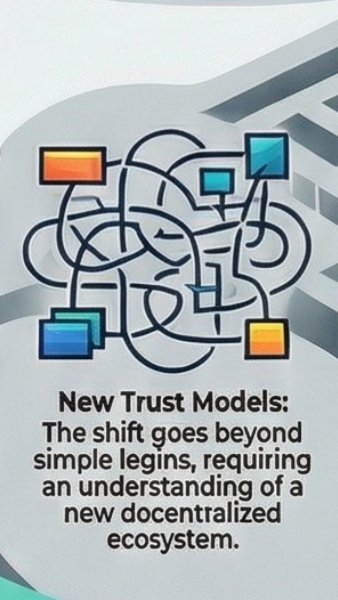
The eIDAS 2.0 framework introduces a complex landscape of technical architectures, trust models, assurance levels, and compliance requirements. Teams must understand how decentralized identity concepts, qualified trust services, relying parties, and wallet providers fit together in real-world deployments. The build-versus-buy decision is especially important because it affects cost, certification effort, interoperability, and long-term operational responsibility. For example, a large enterprise may choose to integrate with certified providers, while a digital identity company may invest in building wallet-related infrastructure directly. Navigating this environment requires both legal interpretation and practical architecture planning.
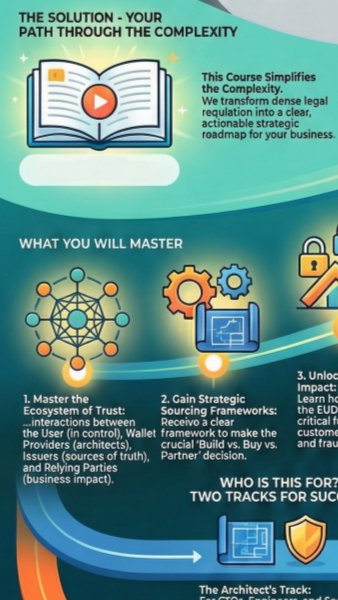
A structured learning path helps organizations translate dense eIDAS 2.0 regulation into clear business decisions and implementation priorities. Instead of overwhelming teams with legal language, the right approach connects each requirement to practical outcomes such as user onboarding, digital signatures, attribute verification, and partner selection. This makes it easier for executives, product owners, architects, and compliance teams to work from the same playbook. For instance, a product team can identify which wallet interactions create customer value, while legal and security teams confirm the controls needed for compliance. The result is a realistic roadmap that turns complexity into measurable progress.
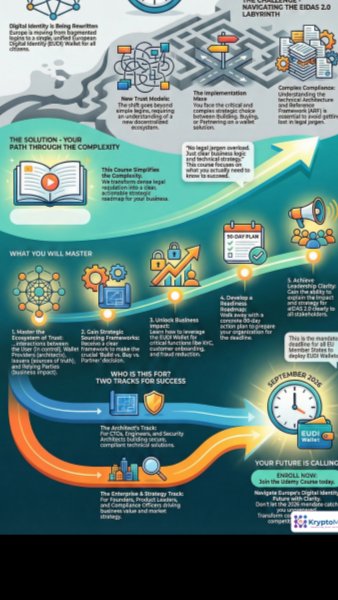
Mastering eIDAS 2.0 requires a practical understanding of the full digital identity ecosystem, including users, issuers, wallet providers, relying parties, and trust service providers. Organizations need to define whether they will build capabilities internally, partner with certified providers, or combine both approaches. The European Digital Identity Wallet can unlock value in areas such as faster onboarding, stronger KYC processes, reduced fraud, verified professional credentials, and smoother account recovery. A focused 90-day readiness plan can help teams assess current systems, identify integration gaps, and prioritize the highest-value use cases. Leaders also need the confidence to explain how eIDAS 2.0 affects strategy, operations, risk, and customer experience.
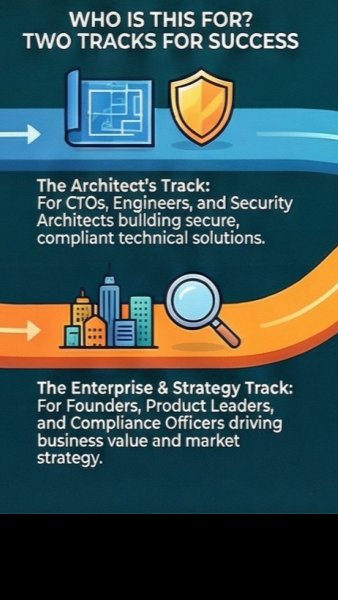
Successful eIDAS 2.0 adoption depends on aligning technical execution with business strategy. Architects and engineers need to design secure, interoperable, and compliant solutions that can connect with wallet ecosystems and trust services. At the same time, founders, product leaders, compliance officers, and executives must define market positioning, governance models, partnership strategies, and customer-facing use cases. For example, a technical team may determine how verified attributes are processed, while business leaders decide which services should support wallet-based onboarding first. When both tracks work together, technology decisions directly support measurable business outcomes.
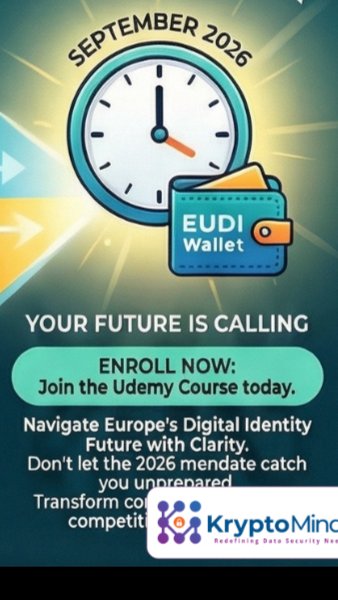
By 2026, EU Member States are expected to deploy European Digital Identity Wallets, creating a major readiness milestone for organizations that interact with citizens, customers, employees, or partners in Europe. Businesses that prepare early can align product roadmaps, security architecture, compliance processes, and vendor contracts before adoption accelerates. Waiting until wallet usage becomes widespread may create operational pressure, integration bottlenecks, and missed opportunities to improve digital experiences. For example, an online service that supports wallet-based verification early could reduce onboarding abandonment and stand out against slower competitors. Compliance can become more than a requirement when it is used to create faster, safer, and more trusted digital interactions.
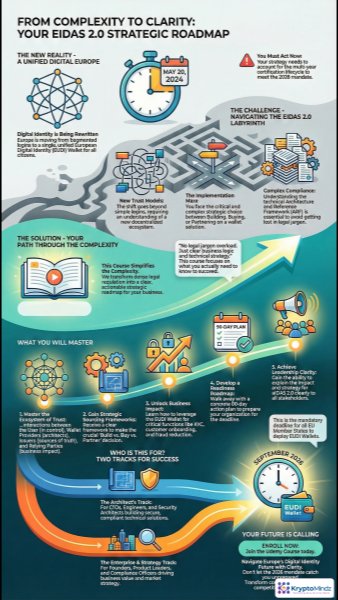
eIDAS 2.0 is not only a regulatory change; it is a major opportunity to redesign digital trust across Europe. Organizations that understand the timelines, architecture choices, trust models, and business implications can move beyond reactive compliance. A strong strategy connects wallet readiness with customer experience, fraud reduction, operational efficiency, and long-term competitiveness. For example, a company that integrates verified digital identity into onboarding and service access can reduce manual checks while creating a smoother user journey. Bringing the strategy together means making coordinated decisions now that will support secure, scalable, and trusted digital services in the years ahead.
Follow the hub for MiCA, stablecoins, RWA regulation, CASP controls and related training resources.
Related Service RWA & Crypto Compliance StrategyPlan regulated token, stablecoin and RWA programs with governance, risk controls and security reviews.
Implementation Use Case Web3 RWA Compliance OperationsSee how teams can coordinate token workflows, compliance evidence and exceptions across regulated asset operations.
Recommended Course Real-World Assets & TokenizationBuild practical fluency in tokenized assets, settlement models, custody, risk and regulatory operating models.
YouTube Playlist Stablecoin & RWA Regulation BriefingWatch the playlist on CLARITY, GENIUS, STABLE Acts, MiCA comparisons and RWA strategy.
Book a Discovery Call Map This to Your RoadmapDiscuss how this topic applies to your product, compliance posture, architecture or delivery plan.
Editorial trust
Each KryptoMindz article is reviewed against current enterprise AI, blockchain, digital identity and compliance practices before publication or major updates.
Founder-led perspective from KryptoMindz Technologies, focused on secure AI adoption, Web3 risk, digital identity and enterprise trust architecture.
LinkedIn profileResearch, engineering and advisory work across AI Agents, Enterprise Blockchain, Digital Identity and Digital Trust Engineering.
YouTube channelDiscover more insights and resources on our platform.
Visit Kryptomindz