Inside Huawei Ascend: Da Vinci AI Math Engine

Explore how Huawei’s Da Vinci architecture accelerates AI math with matrix engines, on‑chip memory and parallel units to power modern deep learning workloads ef
By KryptoMindz Technologies 10 min read
Why Deep Learning Overwhelms Conventional CPUs and GPUs - Kryptomindz Blog
Figure 1: Why Deep Learning Overwhelms Conventional CPUs and GPUs

Why Deep Learning Overwhelms Conventional CPUs and GPUs

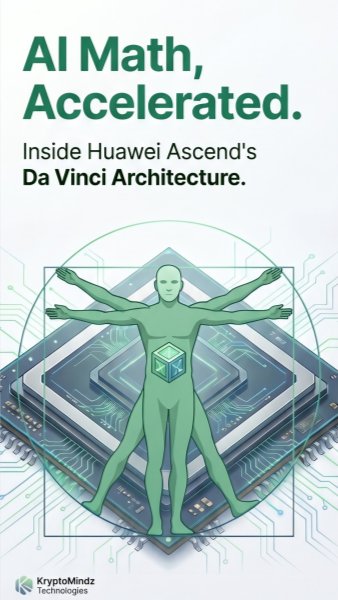
What if AI math ran on hardware designed like a human brain for matrices, not a general-purpose chip?
Key Takeaways

  • What if AI math ran on hardware designed like a human brain for matrices, not a general-purpose chip?
Inside Da Vinci: Matrix Engines and On‑Chip Memory - Kryptomindz Blog
Figure 2: Inside Da Vinci: Matrix Engines and On‑Chip Memory

Inside Da Vinci: Matrix Engines and On‑Chip Memory

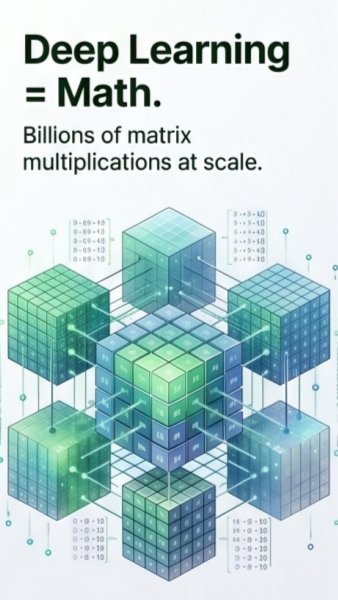
Deep learning is basically brutal math: billions of tiny matrix multiplications. Standard CPUs and even many GPUs waste energy shuffling data instead of just crunching numbers.
Key Takeaways

  • Deep learning is basically brutal math: billions of tiny matrix multiplications.
  • Standard CPUs and even many GPUs waste energy shuffling data instead of just crunching numbers.
Cube, Vector, and Scalar Units: How Da Vinci Shares the Load - Kryptomindz Blog
Figure 3: Cube, Vector, and Scalar Units: How Da Vinci Shares the Load

Cube, Vector, and Scalar Units: How Da Vinci Shares the Load

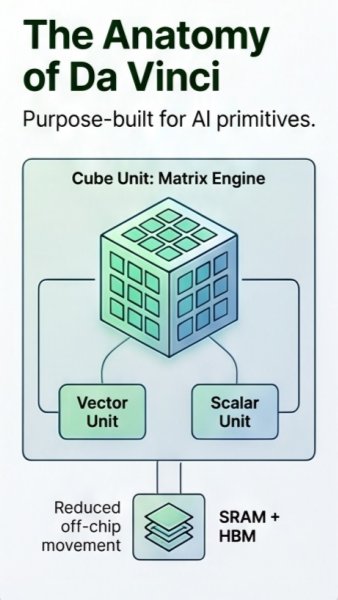
Huawei’s Da Vinci architecture attacks that bottleneck with specialized matrix engines and on-chip memory, so data moves less and math happens faster, especially for giant AI models.
Key Takeaways

  • Huawei’s Da Vinci architecture attacks that bottleneck with specialized matrix engines and on-chip memory, so data moves less and math happens faster, especially for giant AI models.
Performance per Watt: Where Da Vinci Delivers Real Value - Kryptomindz Blog
Figure 4: Performance per Watt: Where Da Vinci Delivers Real Value

Performance per Watt: Where Da Vinci Delivers Real Value

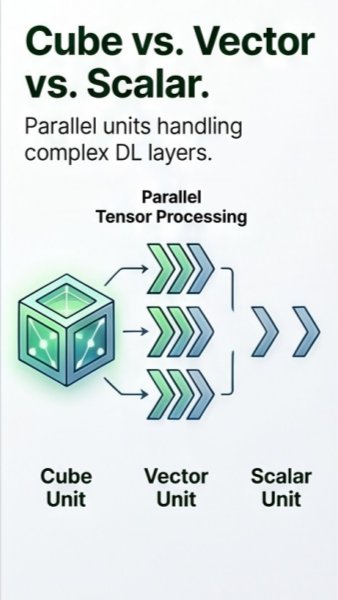
Da Vinci splits the workload: cube units handle dense tensor math, while vector and scalar units process supporting operations in parallel, keeping every part of the chip busy.
Key Takeaways

  • Da Vinci splits the workload: cube units handle dense tensor math, while vector and scalar units process supporting operations in parallel, keeping every part of the chip busy.
From Hardware to Pipeline: CANN, PyTorch, and the Software Stack - Kryptomindz Blog
Figure 5: From Hardware to Pipeline: CANN, PyTorch, and the Software Stack

From Hardware to Pipeline: CANN, PyTorch, and the Software Stack

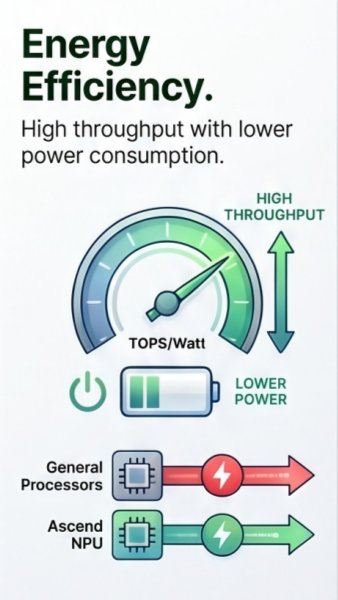
This parallel design boosts throughput per watt, so training or inference workloads finish faster using less power—perfect for data centers, edge AI, and always-on intelligent services.

Key Takeaways

  • This parallel design boosts throughput per watt, so training or inference workloads finish faster using less power—perfect for data centers, edge AI, and always-on intelligent services.

Ready to Explore More?

Discover more insights and resources on our platform.

Visit Kryptomindz