The 2026 AI Blueprint: From Models to Systems
Discover why AI systems, not standalone models, will define 2026. Learn the governance, data, agents, and safety layers needed for enterprise-grade AI.

Discover why AI systems, not standalone models, will define 2026. Learn the governance, data, agents, and safety layers needed for enterprise-grade AI.

In 2026, the biggest AI advantage will not come from simply choosing the largest model or the flashiest chatbot. The real winners will be organizations that design complete AI systems: models connected to data, governance, workflows, safety controls, and measurable business outcomes. A customer support bot, for example, becomes far more valuable when it can access live order data, follow company policies, escalate edge cases, and update a CRM automatically. This shift matters because businesses do not need isolated AI experiments; they need reliable AI infrastructure that improves productivity, decision-making, and customer experience. Bigger models may still matter, but system design is what turns artificial intelligence into repeatable business value.
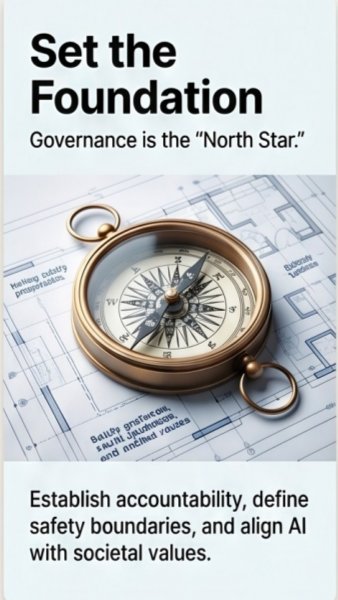
Strong AI governance is becoming the foundation for scalable and trustworthy AI systems. Instead of letting teams launch disconnected AI tools with unclear rules, governance defines what the system can do, what it should avoid, and when human review is required. In practice, this might mean setting approval rules for financial recommendations, privacy controls for healthcare data, or escalation paths for sensitive customer interactions. Governance also helps align AI behavior with business objectives, compliance requirements, and real-world risk. When governance acts as the north star, AI moves from experimental technology to a managed capability leaders can trust.

AI hallucinations often happen when models are forced to answer without enough accurate, current, or relevant context. Grounding AI in live data solves this by connecting models to trusted sources such as internal knowledge bases, product catalogs, policy documents, customer records, or real-time analytics. For example, a sales assistant should not guess pricing or inventory; it should retrieve the latest information before generating a response. This approach makes AI outputs more accurate, transparent, and useful for employees and customers alike. Live data grounding is one of the clearest ways to turn generative AI from a clever demo into dependable enterprise AI infrastructure.
Once governance and live data are in place, AI can evolve from a chatbot that answers questions into an agent that completes work. AI agents can plan tasks, call tools, retrieve information, update systems, and hand off exceptions when needed. In a real business workflow, that could mean drafting a contract, checking policy requirements, routing it for approval, and notifying the sales team when it is ready. This is where AI automation becomes more than conversation; it becomes end-to-end workflow execution. The most effective agentic AI systems will be designed with clear permissions, reliable tool access, and measurable checkpoints from request to outcome.
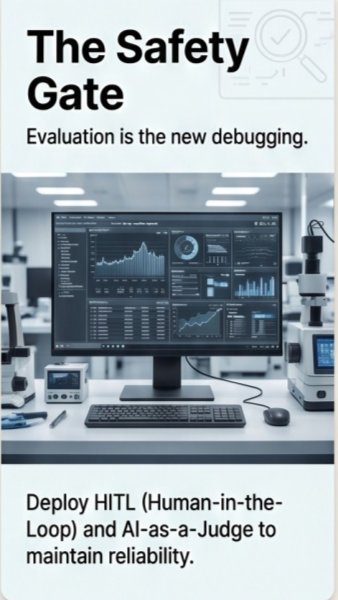
High-stakes AI adoption requires more than powerful automation; it requires safety gates that continuously control and evaluate system behavior. Human-in-the-loop review, AI-as-a-judge evaluation, audit logs, and monitoring dashboards help teams catch errors before they become business or compliance risks. In finance, this could mean flagging unusual recommendations before they reach a client; in healthcare, it could mean requiring clinician approval before AI-generated guidance is used. These controls also create feedback loops that improve AI quality over time. With the right monitoring and oversight, AI systems become practical for regulated industries and mission-critical operations.
The future of AI belongs to organizations that stop treating bots as the final product and start designing systems that can scale. By 2026, successful AI strategies will combine governance, live data, agentic workflows, and safety monitoring into one operating model. This is the difference between a chatbot that answers a prompt and an AI system that supports real business processes from start to finish. Leaders should ask whether their AI investments are creating durable infrastructure or just another interface employees have to manage. The companies that build connected, governed, and measurable AI systems now will be better positioned for the next wave of automation.
Follow the hub for production AI infrastructure, deployment, observability, cost and reliability resources.
Related Service AI Agents & LLMOps DeliveryMove copilots and agents from demos to governed production workflows with monitoring and cost controls.
Implementation Use Case Secure AI Knowledge Operations AgentSee how AI agents can answer, route and govern operational knowledge for teams with traceable controls.
Recommended Course EU AI Act Strategy & LeadershipBuild leadership fluency in AI governance, risk, operating models and practical readiness planning.
YouTube Playlist Production LLMOps ArchitectureWatch the playlist on cutting GenAI costs, latency, failures and production reliability risks.
Book a Discovery Call Map This to Your RoadmapDiscuss how this topic applies to your product, compliance posture, architecture or delivery plan.
Editorial trust
Each KryptoMindz article is reviewed against current enterprise AI, blockchain, digital identity and compliance practices before publication or major updates.
Founder-led perspective from KryptoMindz Technologies, focused on secure AI adoption, Web3 risk, digital identity and enterprise trust architecture.
LinkedIn profileResearch, engineering and advisory work across AI Agents, Enterprise Blockchain, Digital Identity and Digital Trust Engineering.
YouTube channelDiscover more insights and resources on our platform.
Visit Kryptomindz