The Agent Era: How Windows Becomes an AI OS
Discover how Windows, NVIDIA, and agent runtimes are turning your PC into a platform for autonomous AI coworkers that orchestrate workflows, apps, and data on t
Discover how Windows, NVIDIA, and agent runtimes are turning your PC into a platform for autonomous AI coworkers that orchestrate workflows, apps, and data on t
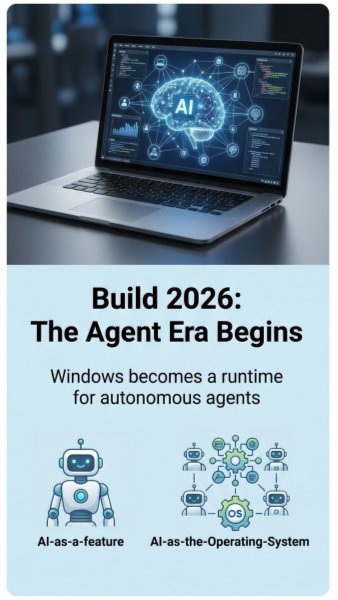
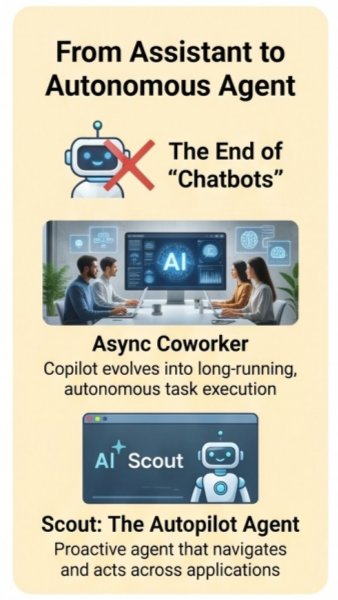
Windows is moving beyond its traditional role as a place where you open apps and manage files. In the next phase of AI-powered productivity, it could become a runtime where autonomous AI agents understand your goals, coordinate tasks, and act across multiple tools on your behalf. Instead of asking a chatbot one question at a time, you might assign an agent to prepare a client briefing, compare documents, schedule follow-ups, and surface risks before a meeting. This shift turns the operating system into a more active work environment, where AI coworkers can help reduce repetitive admin work and keep projects moving. For businesses, the real opportunity is not just faster answers, but smarter workflow automation built directly into the desktop experience.
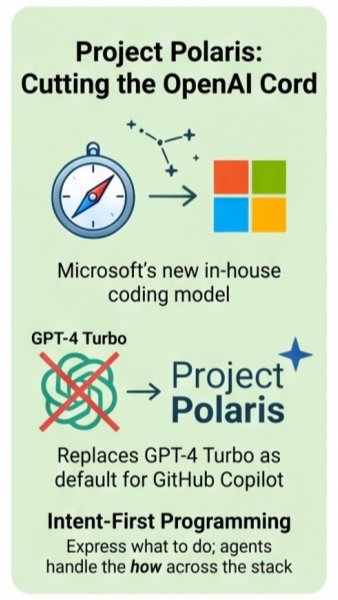
Project Polaris signals Microsoft’s push to build a stronger in-house AI foundation for agentic workflows, especially inside Windows and Microsoft 365. Rather than relying only on external models, Polaris is designed to understand user intent, reason through coding and productivity tasks, and support agents that can complete work with less hand-holding. For example, an AI agent could monitor a project folder, detect missing deliverables, draft status updates, and recommend next steps without waiting for constant prompts. This matters because autonomous coworkers need more than conversation skills; they need planning, context awareness, and the ability to act reliably across apps. If successful, Polaris could help Microsoft make AI agents feel less like add-ons and more like built-in collaborators.
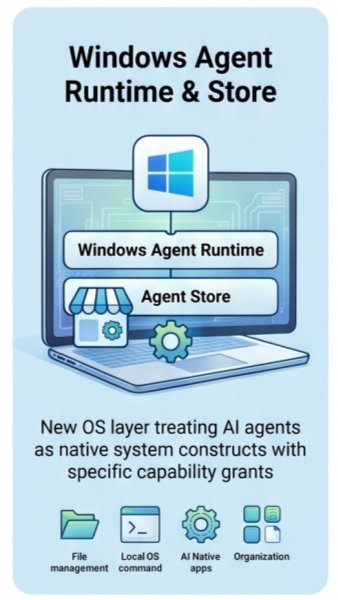
The Windows Agent Runtime is where the idea of AI agents as first-class apps starts to become practical. Instead of operating as loose browser extensions or isolated chat windows, agents could run with defined roles, permissions, and access to specific system capabilities. A finance agent, for instance, might be allowed to read approved spreadsheets, generate reports, and send draft summaries, but not access unrelated folders or make payments without approval. This app-like structure gives users and IT teams more control over what agents can do, which is essential for trust, security, and enterprise adoption. It also creates a clearer path for developers to build, distribute, and manage AI agents through standardized Windows experiences.
Powerful local hardware will be critical if AI agents are expected to work quickly, privately, and continuously on a Windows device. Chips such as NVIDIA’s N1X and future Surface-class AI hardware could give agents the on-device compute needed to summarize files, analyze images, process voice commands, and run workflows without sending every request to the cloud. That local AI power can reduce latency, lower cloud dependency, and improve privacy for sensitive business data. In practice, a Surface Ultra-style device could support agents that prepare meeting notes, classify documents, or assist creative work even when connectivity is limited. Hardware becomes the foundation that makes autonomous AI feel instant, secure, and genuinely useful in daily work.
Follow the hub for production AI infrastructure, deployment, observability, cost and reliability resources.
Related Service AI Agents & LLMOps DeliveryMove copilots and agents from demos to governed production workflows with monitoring and cost controls.
Implementation Use Case Secure AI Knowledge Operations AgentSee how AI agents can answer, route and govern operational knowledge for teams with traceable controls.
Recommended Course EU AI Act Strategy & LeadershipBuild leadership fluency in AI governance, risk, operating models and practical readiness planning.
YouTube Playlist Production LLMOps ArchitectureWatch the playlist on cutting GenAI costs, latency, failures and production reliability risks.
Book a Discovery Call Map This to Your RoadmapDiscuss how this topic applies to your product, compliance posture, architecture or delivery plan.
Editorial trust
Each KryptoMindz article is reviewed against current enterprise AI, blockchain, digital identity and compliance practices before publication or major updates.
Founder-led perspective from KryptoMindz Technologies, focused on secure AI adoption, Web3 risk, digital identity and enterprise trust architecture.
LinkedIn profileResearch, engineering and advisory work across AI Agents, Enterprise Blockchain, Digital Identity and Digital Trust Engineering.
YouTube channelDiscover more insights and resources on our platform.
Visit Kryptomindz