Why 32 Million AI Mosquitoes Are Being Released
Discover how 32 million lab-made mosquitoes, Wolbachia bacteria and AI sorting robots could wipe out dengue and Zika without toxic pesticides.

Discover how 32 million lab-made mosquitoes, Wolbachia bacteria and AI sorting robots could wipe out dengue and Zika without toxic pesticides.
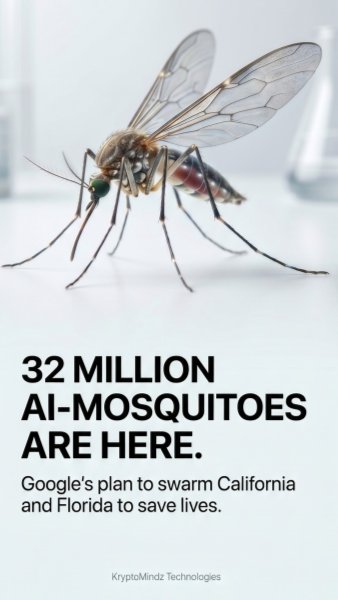
Mosquitoes kill more people than any other animal because they can spread diseases like dengue, Zika, malaria, and West Nile virus. That is why scientists are exploring a surprising public health strategy: releasing lab-reared mosquitoes to reduce the dangerous wild populations. Instead of adding more risk, these mosquitoes are designed or selected to interrupt breeding cycles and lower the number of biting females over time. For communities dealing with seasonal outbreaks, this could mean fewer pesticide trucks, fewer emergency health alerts, and safer outdoor living. The idea may sound counterintuitive, but it reflects a major shift in mosquito control from broad chemical spraying to precision biological intervention.
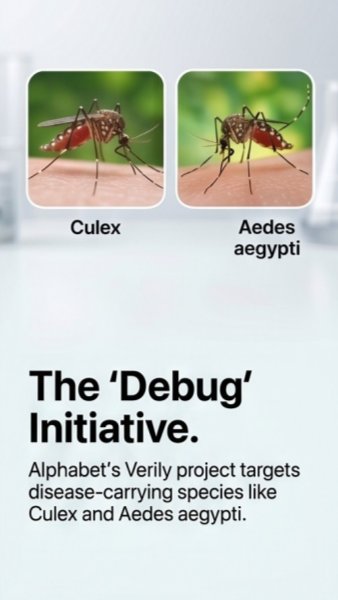
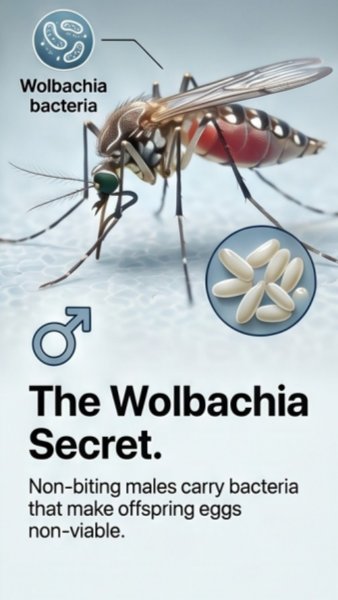
Verily’s mosquito project uses automation, data science, and biology to target species known for spreading human disease, including Aedes and Culex mosquitoes. Rather than treating every insect as a problem, the program focuses on the specific mosquito populations most likely to transmit viruses in local neighborhoods. Wolbachia bacteria play a key role because, when used in the right way, they can prevent successful reproduction between treated males and wild females. Artificial intelligence and machine learning help scale the process by improving mosquito identification, sorting, and release planning. The result is a more targeted mosquito control strategy that aims to protect public health while reducing dependence on chemical insecticides.
Field trials in California and Florida show how lab-based mosquito control performs in real neighborhoods, not just controlled research settings. These areas are important testing grounds because warm climates, dense communities, and standing water can create ideal conditions for mosquito breeding. By monitoring mosquito numbers before, during, and after releases, researchers can measure whether the technology reduces local disease-vector populations. Residents may notice fewer biting mosquitoes if the program succeeds, but public communication remains essential so people understand what is being released and why. If these trials continue to show strong results, similar strategies could support mosquito-borne disease prevention in cities around the world.
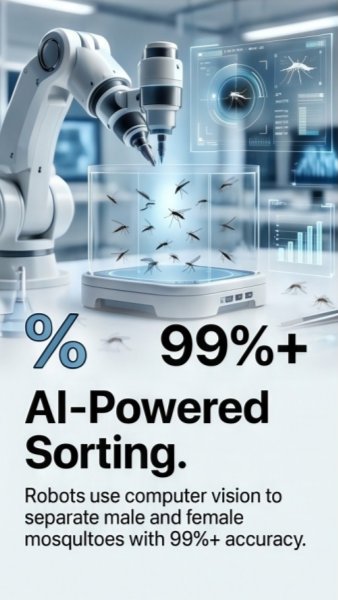
AI-powered mosquito factories make this strategy possible at a scale that human technicians could not easily manage alone. Robotic systems can separate male mosquitoes from females with extremely high accuracy, which matters because male mosquitoes do not bite people. Once selected, treated males carrying Wolbachia are released to mate with wild females, causing their eggs to fail before a new generation can emerge. This creates a quiet form of population suppression: no mass spraying, no loud equipment in neighborhoods, and no need to eliminate every insect at once. Over repeated releases, the breeding cycle weakens, allowing mosquito numbers to fall in targeted hotspots.
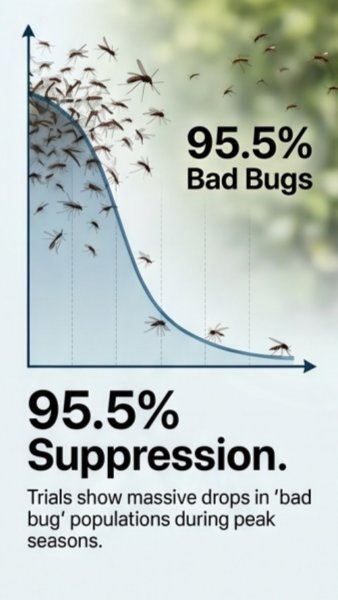
In mosquito disease hotspots, even a major reduction in biting females can make a meaningful difference for public health. Studies and field programs using treated male releases have reported population drops of more than 95% in targeted areas under the right conditions. That matters because fewer female mosquitoes means fewer opportunities for viruses such as dengue, Zika, chikungunya, and West Nile to move from person to person. For local governments, this type of mosquito population control could become a powerful tool during peak mosquito season or before major outbreaks begin. It is not a standalone cure for mosquito-borne disease, but it can strengthen prevention when paired with surveillance, public education, and habitat reduction.
The bigger question is whether biotechnology can help society manage pests without causing the environmental damage linked to heavy pesticide use. Mosquito control is becoming a model for how science can turn a harmful species into part of the solution. Similar thinking could influence future tools for managing invasive insects, crop pests, or other disease vectors with greater precision. However, the next phase will depend on safety testing, ecological monitoring, regulation, and public confidence. If done responsibly, mosquito biotechnology could mark a new era in public health innovation where prevention is smarter, cleaner, and more targeted.
Follow the hub for production AI infrastructure, deployment, observability, cost and reliability resources.
Related Service AI Agents & LLMOps DeliveryMove copilots and agents from demos to governed production workflows with monitoring and cost controls.
Implementation Use Case Secure AI Knowledge Operations AgentSee how AI agents can answer, route and govern operational knowledge for teams with traceable controls.
Recommended Course EU AI Act Strategy & LeadershipBuild leadership fluency in AI governance, risk, operating models and practical readiness planning.
YouTube Playlist Production LLMOps ArchitectureWatch the playlist on cutting GenAI costs, latency, failures and production reliability risks.
Book a Discovery Call Map This to Your RoadmapDiscuss how this topic applies to your product, compliance posture, architecture or delivery plan.
Editorial trust
Each KryptoMindz article is reviewed against current enterprise AI, blockchain, digital identity and compliance practices before publication or major updates.
Founder-led perspective from KryptoMindz Technologies, focused on secure AI adoption, Web3 risk, digital identity and enterprise trust architecture.
LinkedIn profileResearch, engineering and advisory work across AI Agents, Enterprise Blockchain, Digital Identity and Digital Trust Engineering.
YouTube channelDiscover more insights and resources on our platform.
Visit Kryptomindz