eIDAS 2.0 & EUDI Wallet Explainer
Digital identity in Europe is evolving from fragmented, centralized systems toward a secure, citizen‑centric model. This video walks through the journey from to
Digital identity in Europe is evolving from fragmented, centralized systems toward a secure, citizen‑centric model. This video walks through the journey from to
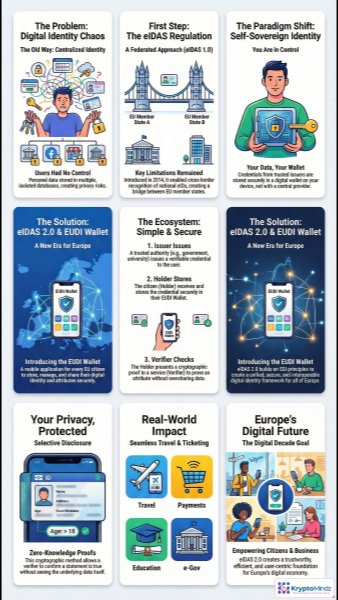
Digital identity in Europe is moving away from scattered logins, repeated form-filling, and organization-controlled data silos toward a more secure, citizen-centric model. Instead of proving who you are separately to every bank, university, airline, or government portal, the future of EU digital identity is designed to let people reuse trusted credentials in a controlled way. This shift is closely tied to the eIDAS regulation, eIDAS 2.0, and the European Digital Identity Wallet, which together aim to make online identification simpler, safer, and more interoperable. In everyday life, this could mean verifying your age, signing a document, opening a bank account, or accessing public services without oversharing personal information. The result is a digital identity framework built around trust, convenience, privacy, and cross-border access.
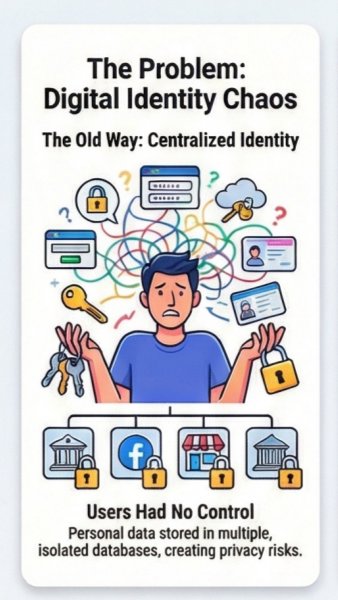
Centralized digital identity systems create friction because personal data is often stored separately by banks, telecom providers, government agencies, healthcare platforms, and private companies. Each time a person signs up for a new service, they may need to resubmit identity documents, addresses, birth dates, or proof of eligibility, creating unnecessary duplication. This repeated storage increases the attack surface for data breaches and makes it harder for individuals to know where their information is held or how it is used. For example, a single leaked database can expose sensitive identity details that criminals may use for fraud or account takeover. A more modern approach to digital identity reduces dependency on these silos and gives users stronger control over what they share.
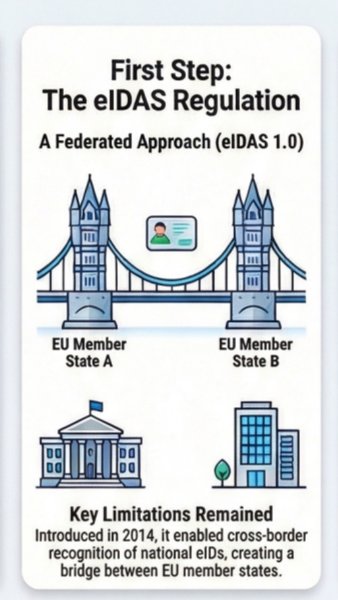
The first major step toward a European digital identity framework came with the original eIDAS regulation, which enabled mutual recognition of national electronic IDs across EU member states. This meant that citizens could use certain national eIDs to access public services in another EU country, supporting cross-border mobility and digital public administration. For example, a person studying, working, or doing business abroad could interact with foreign government portals more easily than before. However, the system still relied heavily on national identity schemes and centralized infrastructures, which limited adoption beyond government services. While eIDAS created an important foundation for digital trust, it also revealed the need for a more flexible, user-friendly, and widely accepted solution.
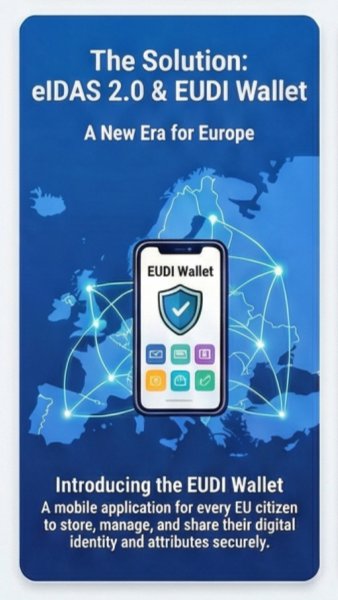
The European Digital Identity Wallet, often called the EUDI Wallet, represents a new phase for digital identity in Europe by putting verified credentials directly into the hands of citizens. Through a secure mobile application, users will be able to store and present digital identity documents, driving licenses, professional certificates, diplomas, health-related credentials, and other trusted attributes. Instead of sharing an entire ID document, a person could prove only what is needed, such as being over 18, holding a valid license, or having a specific qualification. This makes digital interactions more privacy-preserving while still giving businesses and public authorities reliable proof. By working across borders and sectors, the EUDI Wallet aims to become a trusted everyday tool for online and in-person verification.
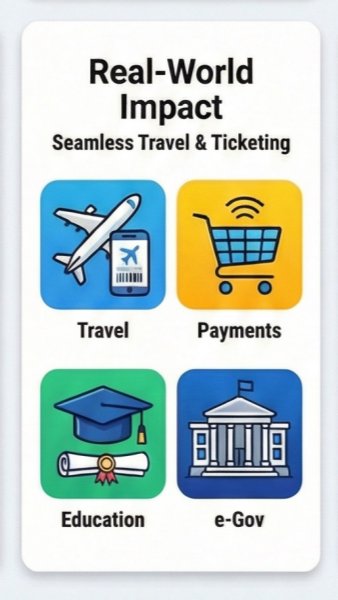
The EUDI Wallet can improve many everyday interactions by replacing slow, paper-based, or repetitive identity checks with instantly verifiable digital proofs. In travel, passengers may be able to present trusted credentials for faster boarding, hotel check-ins, car rentals, or border-related processes. In financial services, the wallet can support secure customer onboarding, strong customer authentication, and faster compliance checks without repeatedly uploading the same documents. In education and employment, graduates and professionals could share verified diplomas, licenses, or certifications directly with universities, employers, or public authorities. These real-world use cases show how EU digital identity can reduce administrative burden while improving trust, speed, and user control.
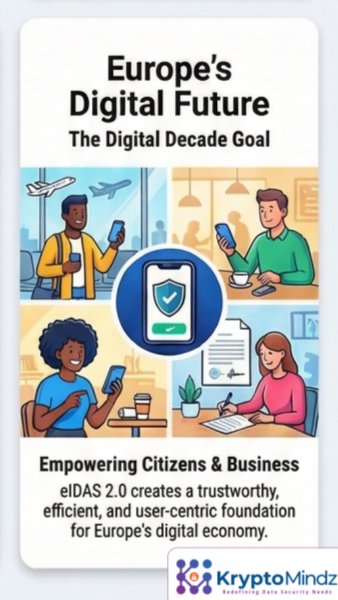
eIDAS 2.0 and the EUDI Wallet create the foundation for a more trusted, user-centric digital economy across Europe. Citizens will gain practical tools to prove identity and attributes securely, while businesses can rely on standardized verification methods that work across borders. This can make digital services more efficient, from opening accounts and signing contracts to accessing healthcare, education, and government platforms. Just as importantly, the framework is designed to support privacy, inclusion, and fundamental rights by giving people more control over their personal data. As part of Europe’s Digital Decade goals, this approach helps build a digital future where trust is not an afterthought but a core feature.
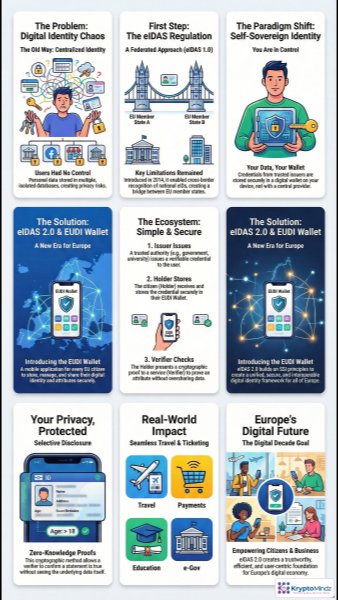
Europe’s digital identity journey starts with the challenge of fragmented, centralized systems and moves toward a more trusted framework built around interoperability, privacy, and user control. The original eIDAS regulation made cross-border electronic identification possible, while eIDAS 2.0 strengthens that foundation with the European Digital Identity Wallet. Together, these developments support a future where citizens can securely store, manage, and share verified credentials for real-world needs such as travel, finance, education, employment, and public services. The key change is not simply digitizing identity documents, but giving people a safer and more practical way to prove specific facts about themselves. This trusted digital identity framework can become a cornerstone of Europe’s secure and inclusive digital economy.
Follow the hub for EUDI wallets, verifiable credentials, digital signatures and trust architecture.
Related Service Digital Identity & eIDAS StrategyDesign trusted identity, wallet and credential systems with compliance and interoperability in mind.
Implementation Use Case Government Citizen ServicesExplore how trusted digital services can streamline identity-driven workflows and citizen support.
Recommended Course The Future of Digital IdentityLearn how wallets, verifiable credentials and digital trust frameworks change onboarding and compliance.
YouTube Playlist eIDAS 2.0 EUDI Wallet KYC BootcampWatch the learning path for EUDI wallet onboarding, KYC architecture and trusted digital identity.
Book a Discovery Call Map This to Your RoadmapDiscuss how this topic applies to your product, compliance posture, architecture or delivery plan.
Editorial trust
Each KryptoMindz article is reviewed against current enterprise AI, blockchain, digital identity and compliance practices before publication or major updates.
Founder-led perspective from KryptoMindz Technologies, focused on secure AI adoption, Web3 risk, digital identity and enterprise trust architecture.
LinkedIn profileResearch, engineering and advisory work across AI Agents, Enterprise Blockchain, Digital Identity and Digital Trust Engineering.
YouTube channelDiscover more insights and resources on our platform.
Visit Kryptomindz