Gemini Spark & Agentic AI: Your 24/7 Autonomous Assistant
Discover how Gemini Spark’s agentic AI runs safely 24/7 in the cloud, automating workflows across Gmail, Docs, and Calendar while you sleep—without losing contr
Discover how Gemini Spark’s agentic AI runs safely 24/7 in the cloud, automating workflows across Gmail, Docs, and Calendar while you sleep—without losing contr
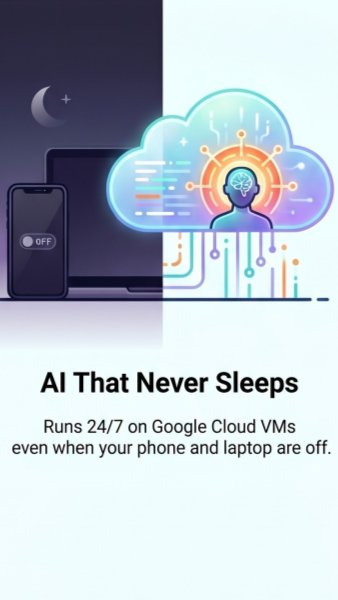
The shift from one-off prompts to persistent cloud AI agents changes how work gets done. Instead of asking a chatbot for a single answer and starting over every time, Gemini Spark can keep moving toward a goal while your laptop is closed and your phone is off. Imagine ending the day with a messy inbox, unfinished research, or a draft proposal, then waking up to organized summaries, suggested next steps, and ready-to-review outputs. This always-on AI workflow is especially valuable for busy professionals who need progress between meetings, across time zones, or outside normal working hours. The real advantage is not just automation, but continuity: the agent remembers the objective and keeps advancing it in the background.
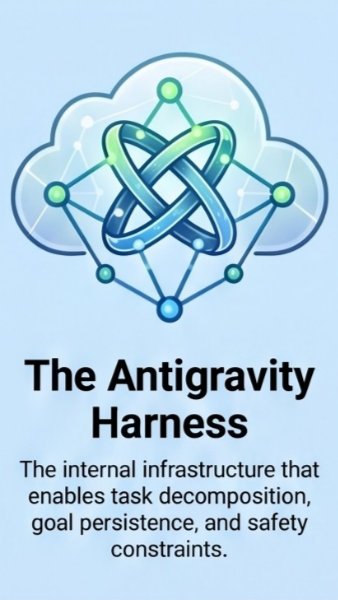
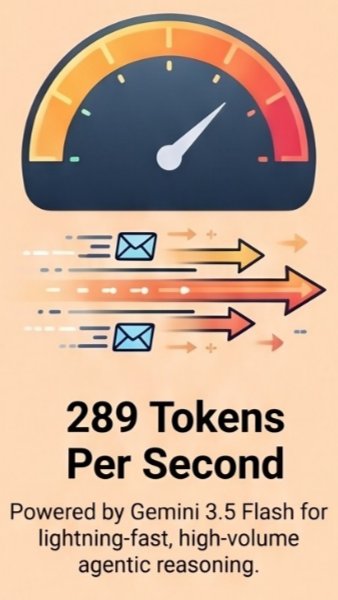
A powerful AI agent needs more than speed; it needs structure, context, and boundaries. Gemini Spark’s engine breaks large requests into smaller steps, tracks progress against the goal, and checks each action before moving forward. This task decomposition allows it to handle multi-step projects, such as researching competitors, extracting key insights, and preparing a briefing document, without losing the thread. Its reported speed of 289 tokens per second matters because faster processing can shorten the gap between request and usable output. Just as important, built-in safety controls help prevent the agent from drifting away from the task or making risky decisions without oversight.
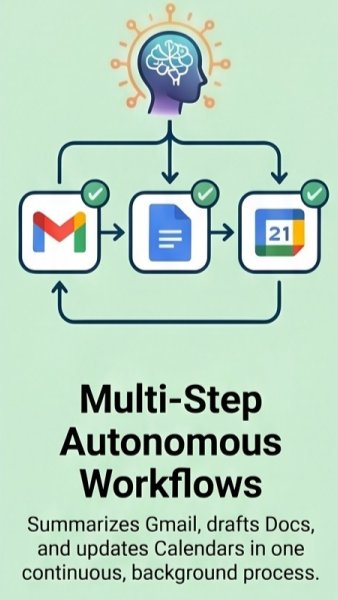
Unified workflows become far more useful when an AI agent can move across the tools you already use every day. By connecting Gmail, Google Docs, and Calendar, Gemini Spark can turn scattered information into coordinated action. For example, it could summarize a long email thread, draft a response in Docs, identify deadlines, and suggest a meeting slot based on your calendar availability. This reduces the friction of switching between apps and helps teams keep communication, documentation, and scheduling aligned. For knowledge workers, the biggest value is having an AI productivity assistant that can connect context across platforms instead of treating every task as isolated.
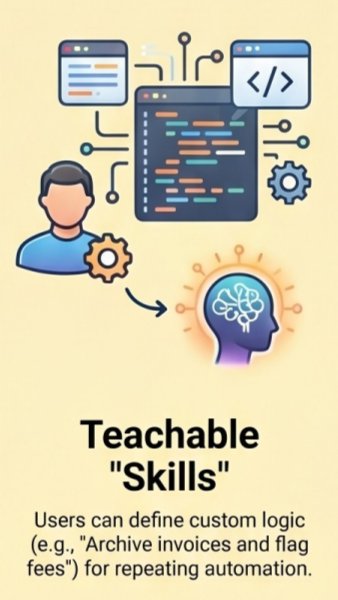
Reusable AI playbooks make automation practical because they let you define repeatable processes once and run them whenever needed. In finance, a skill might archive invoices, flag unusual fees, and prepare a weekly expense summary. In operations, it could monitor requests, update status documents, and surface overdue tasks for review. For content teams, Spark could gather source material, create outlines, draft social posts, or prepare editorial calendars based on predefined rules. These reusable AI skills are most effective when they support routine, high-volume work that follows a recognizable pattern.
Delegating work to an autonomous AI agent should start with clear guardrails and well-defined checkpoints. The best first tasks are repetitive, low-risk, and easy to verify, such as summarizing emails, organizing documents, preparing draft reports, or flagging items for human review. As confidence grows, you can expand into more complex workflows while keeping approvals in place for sensitive actions like sending emails, moving money, or changing official records. Checkpoints help ensure the agent stays aligned with your intent and gives you opportunities to correct course before work compounds. A smart delegation strategy balances efficiency with control, so automation supports decision-making rather than replacing accountability.
Follow the hub for production AI infrastructure, deployment, observability, cost and reliability resources.
Related Service AI Agents & LLMOps DeliveryMove copilots and agents from demos to governed production workflows with monitoring and cost controls.
Implementation Use Case Secure AI Knowledge Operations AgentSee how AI agents can answer, route and govern operational knowledge for teams with traceable controls.
Recommended Course EU AI Act Strategy & LeadershipBuild leadership fluency in AI governance, risk, operating models and practical readiness planning.
YouTube Playlist Production LLMOps ArchitectureWatch the playlist on cutting GenAI costs, latency, failures and production reliability risks.
Book a Discovery Call Map This to Your RoadmapDiscuss how this topic applies to your product, compliance posture, architecture or delivery plan.
Editorial trust
Each KryptoMindz article is reviewed against current enterprise AI, blockchain, digital identity and compliance practices before publication or major updates.
Founder-led perspective from KryptoMindz Technologies, focused on secure AI adoption, Web3 risk, digital identity and enterprise trust architecture.
LinkedIn profileResearch, engineering and advisory work across AI Agents, Enterprise Blockchain, Digital Identity and Digital Trust Engineering.
YouTube channelDiscover more insights and resources on our platform.
Visit Kryptomindz