The 4+1 Pillars of Crypto Compliance
Discover the 4+1 pillars of crypto compliance, from MiCA to VASP controls and the Travel Rule, and learn how exchanges can turn regulation into a competitive ed

Discover the 4+1 pillars of crypto compliance, from MiCA to VASP controls and the Travel Rule, and learn how exchanges can turn regulation into a competitive ed
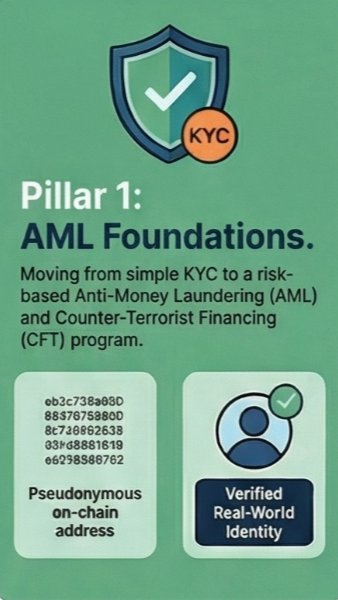
Crypto compliance has moved far beyond paperwork and box-ticking—it now determines whether a platform can survive, scale, and earn trust. Exchanges, token issuers, custodians, and Web3 projects are being judged by regulators, banking partners, institutional investors, and users on the strength of their compliance programs. A project with weak crypto compliance may struggle to list tokens, open bank accounts, secure partnerships, or operate across borders. In today’s market, strong compliance signals maturity, reduces enforcement risk, and helps separate serious businesses from short-term operators. For any crypto company aiming for long-term growth, compliance is no longer optional—it is a foundation for credibility and market access.
The regulatory baseline for crypto businesses has shifted from simple identity checks to full AML and CFT compliance programs. That means platforms must understand who their customers are, monitor transactions, detect suspicious activity, and report risks before they become enforcement problems. For example, an exchange that allows high-risk wallets to move funds without proper screening may face not only penalties but also loss of licenses, banking services, and payment rails. Regulators now expect crypto firms to apply the same seriousness found in traditional financial institutions, while adapting controls to blockchain-specific risks. The companies that build robust AML compliance early are better positioned to expand into regulated markets and attract serious counterparties.
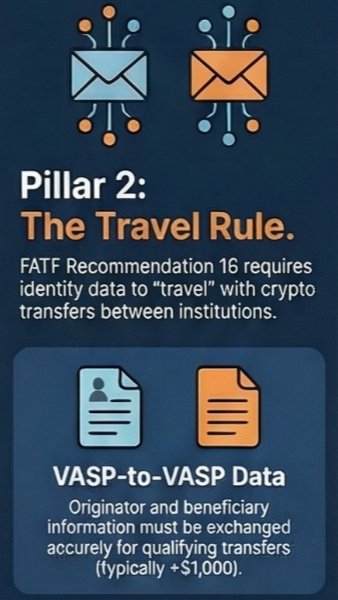
The Crypto Travel Rule requires certain identity information to move with crypto transfers between regulated virtual asset service providers. In practice, this means exchanges and custodians must collect, verify, transmit, and securely handle originator and beneficiary data when transactions meet applicable thresholds. If a platform cannot comply, other regulated firms may refuse to process transfers with it, creating serious operational and liquidity problems. This is especially important for businesses serving international users, because Travel Rule expectations are spreading across major jurisdictions. Effective Travel Rule compliance helps platforms remain connected to global crypto payment flows while reducing financial crime exposure.
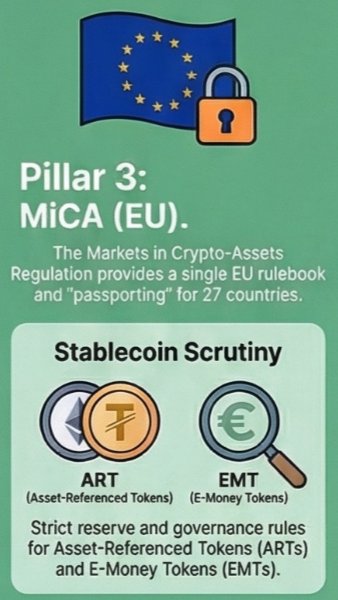
MiCA, the Markets in Crypto-Assets Regulation, gives Europe one of the clearest legal frameworks for crypto assets and service providers. Instead of navigating fragmented national rules, compliant firms can work toward authorization that supports broader access across the European Union. MiCA introduces structured requirements for crypto asset service providers, token issuers, stablecoin operators, disclosures, governance, capital, and consumer protection. For example, a platform listing tokens in Europe will need stronger due diligence, clearer public information, and documented risk controls. For serious crypto businesses, MiCA is not just a regulatory hurdle—it is a roadmap for operating with transparency and long-term legitimacy in one of the world’s largest markets.
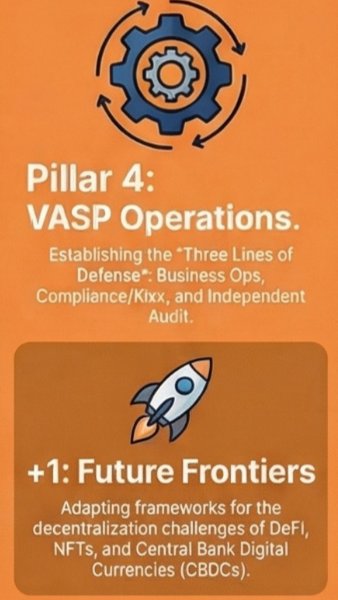
A mature VASP operating model relies on clear accountability across three lines of defense: the business, risk and compliance teams, and independent audit. The first line owns daily controls, the second line sets standards and monitors risk, and the third line tests whether the framework actually works. This structure helps crypto firms respond to regulatory scrutiny with evidence, not assumptions. As DeFi, NFTs, and CBDCs evolve, compliance teams will need to adapt these principles to new models such as decentralized protocols, tokenized assets, digital identity, and programmable payments. The goal is not to slow innovation, but to make innovation safer, more transparent, and more resilient.

The strongest crypto companies do not view compliance as a cost center—they use it as a strategic asset. A well-designed program can unlock better banking relationships, smoother licensing discussions, stronger institutional confidence, and access to deeper liquidity. Teams that understand crypto regulation, AML compliance, Travel Rule obligations, MiCA requirements, and VASP operations are better prepared to compete in regulated markets. If you want to build that practical knowledge, structured training can help turn complex rules into clear operating steps. To go deeper, join the Udemy course linked in the description and learn how to turn compliance into trust, resilience, and long-term market access.
Follow the hub for MiCA, stablecoins, RWA regulation, CASP controls and related training resources.
Related Service RWA & Crypto Compliance StrategyPlan regulated token, stablecoin and RWA programs with governance, risk controls and security reviews.
Implementation Use Case Web3 RWA Compliance OperationsSee how teams can coordinate token workflows, compliance evidence and exceptions across regulated asset operations.
Recommended Course Real-World Assets & TokenizationBuild practical fluency in tokenized assets, settlement models, custody, risk and regulatory operating models.
YouTube Playlist Stablecoin & RWA Regulation BriefingWatch the playlist on CLARITY, GENIUS, STABLE Acts, MiCA comparisons and RWA strategy.
Book a Discovery Call Map This to Your RoadmapDiscuss how this topic applies to your product, compliance posture, architecture or delivery plan.
Editorial trust
Each KryptoMindz article is reviewed against current enterprise AI, blockchain, digital identity and compliance practices before publication or major updates.
Founder-led perspective from KryptoMindz Technologies, focused on secure AI adoption, Web3 risk, digital identity and enterprise trust architecture.
LinkedIn profileResearch, engineering and advisory work across AI Agents, Enterprise Blockchain, Digital Identity and Digital Trust Engineering.
YouTube channelDiscover more insights and resources on our platform.
Visit Kryptomindz