From Prompts to Autonomous AI Agents at Work
Discover how autonomous AI agents evolve from simple prompts into always-on digital coworkers that automate workflows, tools, and devices across your entire org

Discover how autonomous AI agents evolve from simple prompts into always-on digital coworkers that automate workflows, tools, and devices across your entire org
The future of work is moving from asking AI one question at a time to assigning autonomous AI agents entire business workflows. Instead of drafting a single response, an agent can monitor requests, gather context, update systems, and follow through until the task is complete. For example, a sales agent could qualify leads, summarize customer history, schedule follow-ups, and alert the right account manager before a meeting starts. This shift turns AI from a reactive assistant into an always-on digital teammate that improves productivity, reduces manual handoffs, and keeps work moving in the background. As organizations adopt agentic AI, the biggest advantage will come from knowing which repeatable processes are ready to delegate first.
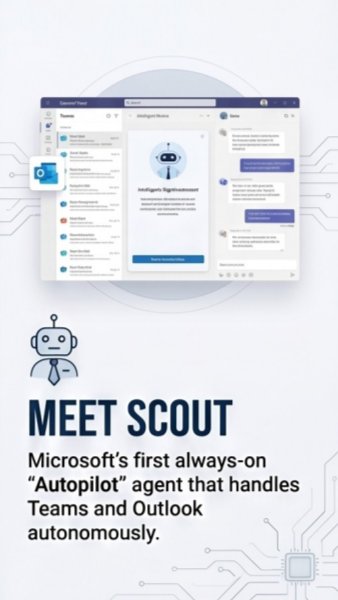
Most AI tools still depend on a human to stop, think of a prompt, and request help, but modern work happens continuously across email, meetings, chats, and documents. AI autopilots for Microsoft Outlook, Teams, and project workflows can operate in the background by tracking conversations, identifying action items, and preparing next steps before you ask. Imagine finishing a meeting and already having a summary, task list, stakeholder update, and follow-up email ready for review. This kind of workflow automation helps teams spend less time managing communication and more time making decisions. The real value is not replacing people, but removing the repetitive coordination work that slows them down.
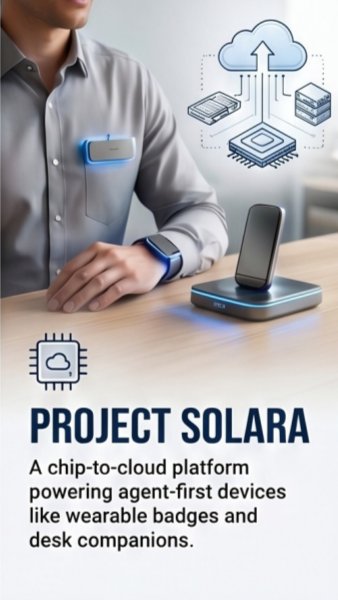
Autonomous AI agents become even more powerful when they move beyond the screen and connect with physical devices, workplace badges, docks, and desk companions. A smart badge could capture meeting context, a desk device could surface priority tasks, and a workflow hub could trigger actions based on where employees are and what they are doing. In practical terms, this means the workplace can respond more intelligently to real-time signals instead of waiting for someone to open another app. For hybrid teams, AI-enabled devices can bridge the gap between digital collaboration and physical presence. The result is a more ambient form of workplace automation where technology supports the flow of work without adding more clicks.
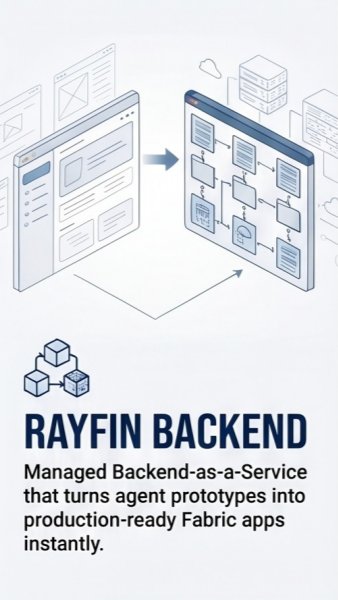
Many organizations can build impressive AI agent prototypes, but the real challenge is turning those experiments into secure, reliable, production-grade copilots. A managed backend helps bridge that gap by handling governance, permissions, data access, monitoring, and scaling from the start. Instead of rebuilding every agent from scratch, teams can connect prototypes to trusted enterprise systems and deploy them as Fabric apps or business-ready copilots. This makes it easier for IT leaders to support innovation without losing control over compliance or security. When the foundation is managed properly, AI development moves faster while still meeting enterprise standards.
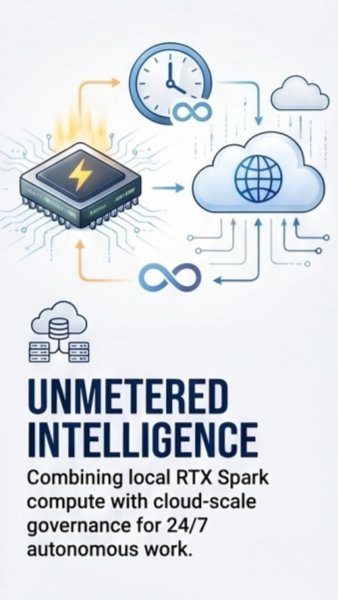
Unmetered intelligence changes the economics of autonomous AI by allowing agents to run continuously across cloud, edge, and local compute environments. Local RTX Spark compute can handle responsive, device-level workloads, while cloud governance keeps policies, data controls, and orchestration consistent across the organization. This hybrid model is especially useful for teams that need low-latency automation, privacy-sensitive processing, or always-on workflow monitoring. For example, an agent could process local meeting context, sync approved insights to cloud systems, and coordinate updates across apps without waiting for a new prompt. By combining local performance with centralized oversight, businesses can scale 24/7 AI agents more efficiently and securely.
The agentic era is defined by digital coworkers that can plan, act, and coordinate across the tools your business already uses. These autonomous AI agents will not simply answer questions; they will manage workflows, surface priorities, and help teams execute faster with less friction. The best starting point is to identify tasks that are repetitive, rules-based, and high-volume, such as inbox triage, meeting follow-ups, reporting, or customer handoffs. As confidence grows, businesses can expand agents into more complex workflows that combine human judgment with automated execution. The question is no longer whether AI will change work, but which responsibilities your team is ready to delegate first.
Follow the hub for production AI infrastructure, deployment, observability, cost and reliability resources.
Related Service AI Agents & LLMOps DeliveryMove copilots and agents from demos to governed production workflows with monitoring and cost controls.
Implementation Use Case Secure AI Knowledge Operations AgentSee how AI agents can answer, route and govern operational knowledge for teams with traceable controls.
Recommended Course EU AI Act Strategy & LeadershipBuild leadership fluency in AI governance, risk, operating models and practical readiness planning.
YouTube Playlist Production LLMOps ArchitectureWatch the playlist on cutting GenAI costs, latency, failures and production reliability risks.
Book a Discovery Call Map This to Your RoadmapDiscuss how this topic applies to your product, compliance posture, architecture or delivery plan.
Editorial trust
Each KryptoMindz article is reviewed against current enterprise AI, blockchain, digital identity and compliance practices before publication or major updates.
Founder-led perspective from KryptoMindz Technologies, focused on secure AI adoption, Web3 risk, digital identity and enterprise trust architecture.
LinkedIn profileResearch, engineering and advisory work across AI Agents, Enterprise Blockchain, Digital Identity and Digital Trust Engineering.
YouTube channelDiscover more insights and resources on our platform.
Visit Kryptomindz